The short version: this matters more than the headline suggests.

From Chatbots to Character Workshops
Understanding where we are today requires knowing where we came from, and this particular story has roots that most coverage conveniently forgets. The earliest chatbots were crude pattern-matching systems that could barely maintain coherent conversation for more than a few exchanges. Fast-forward to today, and we have sophisticated AI systems capable of embodying fictional characters with remarkable consistency and depth.
The pattern here is familiar once you’ve seen it a few times. The evidence here is worth examining carefully.
What began as simple conversational AI has become something far more powerful for creative professionals. Fiction writers have discovered that AI roleplay sessions offer an unprecedented opportunity to develop character voice and personality before committing words to their manuscripts. Instead of wrestling with dialogue on the page, writers can now engage in real-time conversations with their characters, exploring their motivations, speech patterns, and emotional responses in dynamic interactions.
This shift is more than just a new tool in the writer’s toolkit. It fundamentally changes how character development happens, moving from a largely internal process of imagination and note-taking to an interactive dialogue that can surprise even the creator. Writers report discovering aspects of their characters they never consciously planned, emerging naturally through the conversational process.
Building Persistent Fictional Worlds
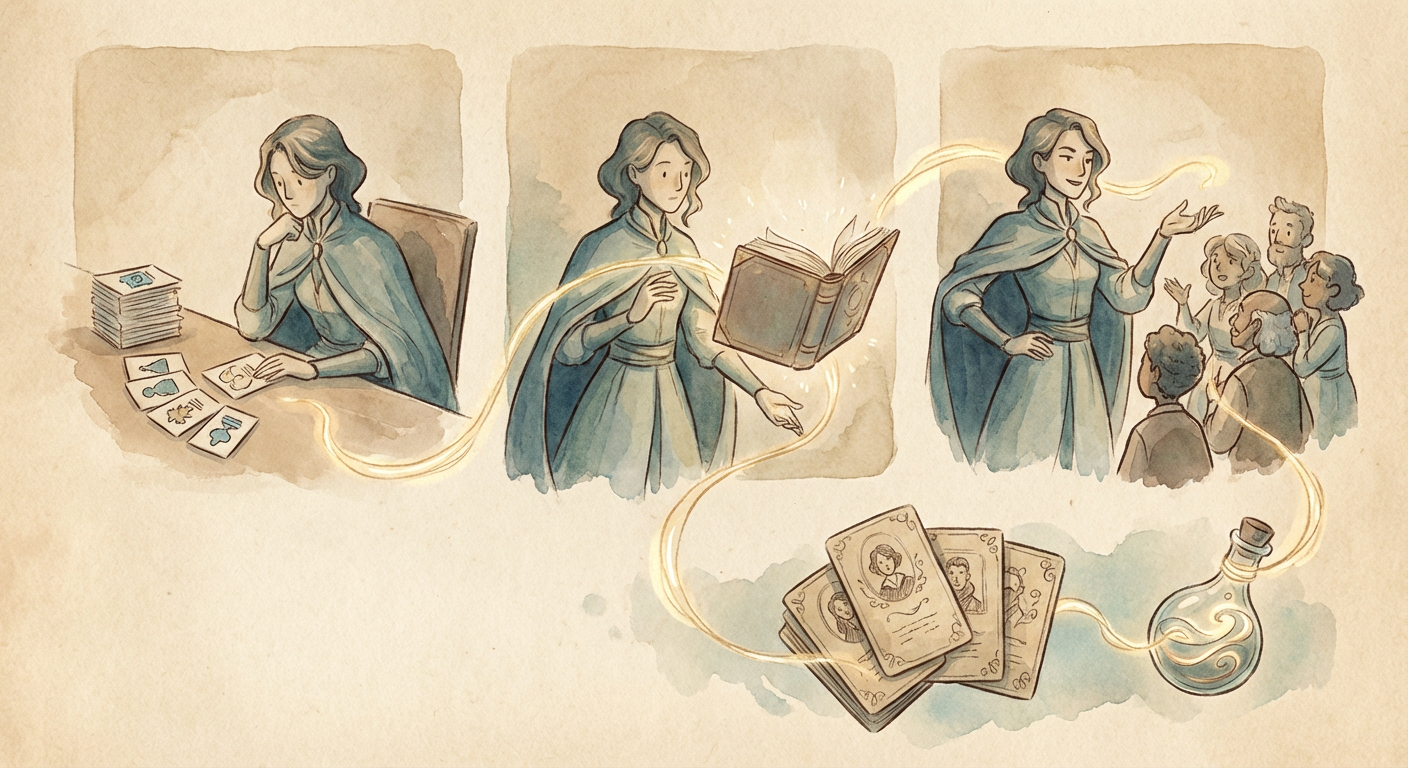
The real breakthrough came with the development of AI systems that could maintain memory across multiple sessions. Unlike traditional writing exercises where character insights might be scattered across notebooks and documents, modern AI roleplay platforms create persistent characters that remember previous conversations and build upon established relationships and plot points.
Tools like SillyTavern have introduced sophisticated world information systems that function as living story bibles, accessible during every character interaction. This means that when a writer engages with their AI character, the system can reference established lore, previous conversations, and world-building details automatically. The character doesn’t just respond in the moment but draws from a comprehensive understanding of their fictional universe.
This persistence enables something unprecedented in solo writing: truly collaborative worldbuilding. Writers can spend months developing a fictional setting through character interactions, with each conversation adding layers of detail and consistency to the world. The AI becomes both character and co-creator, helping to flesh out details that might never have occurred to the writer working alone.
From Roleplay to Raw Material
The practical applications extend far beyond character exploration. Many writers now use their roleplay sessions as source material for actual scene writing and dialogue development. A conversation between the writer and their AI character can become the foundation for a crucial scene, with the natural flow of dialogue providing authentic-sounding exchanges that can be refined and polished for the final manuscript.
This approach offers several advantages over traditional dialogue writing. First, the conversational nature of roleplay creates more natural speech patterns than dialogue written in isolation. Second, the AI character can surprise the writer with unexpected responses, leading to plot developments or character revelations that might not have emerged through conventional planning methods.
Writers report that these sessions often produce their best dialogue, precisely because the interaction feels genuine rather than constructed. The roleplay removes the artificial barrier between writer and character, creating a space where authentic voice can emerge. Some authors have built entire novels from extended roleplay sessions, using the AI interactions as detailed scene outlines that are then transformed into polished prose.
Consistency Through Technology
One of the greatest challenges in character writing has always been maintaining consistency across a long work. Characters need to feel like the same person from page one to the final chapter, with recognizable speech patterns, consistent values, and believable growth arcs. AI roleplay addresses this challenge through detailed persona cards and memory injection systems that ensure character consistency across multiple sessions.
These persona cards function as comprehensive character profiles that inform every AI response. They include not just basic biographical information but psychological profiles, speech patterns, relationship dynamics, and emotional triggers. When combined with memory systems that track character development over time, the result is an AI character that maintains remarkable consistency while still allowing for natural growth and change.
Advanced users have learned to craft these persona cards with the precision of method actors, including specific vocabulary preferences, regional dialects, and even subtle personality quirks that emerge in conversation. The technology responds to this level of detail, creating character interactions that feel genuinely distinct and memorable.
Democratizing Advanced Writing Tools
Perhaps most significantly, hosted AI roleplay platforms have dramatically lowered the entry barrier for writers who lack technical backgrounds. Services like Hearthside Chat provide sophisticated character AI capabilities without requiring users to understand the underlying technology or manage their own AI systems.
This accessibility has opened these tools to a much broader community of writers. Where once advanced AI capabilities were limited to those with technical expertise or significant resources, user-friendly platforms now offer powerful character development tools to anyone with an internet connection. The democratization of this technology means that independent authors, hobbyist writers, and creative writing students all have access to the same character development capabilities that were recently available only to well-funded studios.
The integration with established creative writing platforms like NovelAI creative writing further streamlines the process, allowing writers to move between character development and actual manuscript creation without friction. This ecosystem approach removes technical hurdles from the creative process and enables writers to focus on storytelling rather than wrestling with software.
As AI technology continues to improve, we can expect even more sophisticated character development tools. The writers who embrace these capabilities today are positioning themselves at the forefront of a fundamental shift in how fiction is created. The question is no longer whether AI will change creative writing, but how quickly writers will adapt to harness its potential for richer, more consistent character development.
If you have been curious about the open-source roleplay frontend but find the self-hosting setup daunting, worth exploring offers a fully managed version that handles the technical side so you can focus on the creative work.
The research is worth reading in full — links above for the primary sources. Read the linked paper for the full methodology.