The Human Trial Revolution
A paralyzed patient moves a computer cursor using only thoughts. This moment means more than technological prowess. Brain-computer interfaces have arrived as genuine medical devices, not science fiction concepts.
Neuralink’s first human participant achieved this through surgical implantation of electrode arrays directly into brain tissue. The precision is extraordinary. Surgeons must place thousands of microscopic electrodes without damaging surrounding neural networks. Each electrode captures electrical signals from individual neurons and translates intention into digital commands.
But Neuralink wasn’t first to market. Synchron achieved human implantation eighteen months earlier using a completely different approach. Their stent-based device travels through blood vessels to reach the brain, avoiding open surgery entirely. This distinction matters enormously for patient safety and regulatory approval.
Beyond Invasive Procedures
The most dramatic advances may come from devices that never breach the skull. Non-invasive brain-computer interfaces now feature thirty-two channel commercial products targeting gaming applications. These headsets detect brain activity through the scalp using sophisticated signal processing algorithms.
Gaming is an ideal testing ground for consumer brain interfaces. Users tolerate imperfect accuracy when controlling virtual environments. Failure means restarting a game level, not life-threatening consequences. This lower-stakes environment allows rapid iteration and user feedback collection.
Commercial gaming headsets also drive down manufacturing costs through volume production. Components that cost thousands of dollars in medical research settings become affordable consumer electronics. This economic pressure accelerates technological refinement across the entire field.
Decoding Complex Neural Patterns
Recent trials show neural decoding of speech reaching eighty words per minute in paralyzed patients. This achievement requires interpreting intended speech from motor cortex activity, even when vocal cords cannot function. The implications extend far beyond communication restoration for disabled individuals.
Speech decoding reveals how brains encode complex behaviors. Research published in Nature Neuroscience journal shows that intended speech patterns remain remarkably consistent across individuals. This discovery suggests standardized decoding algorithms could work across diverse patient populations without extensive individual calibration.
Memory prosthetics show concrete results too. Human trials show thirty percent improvements in recall performance when electronic devices stimulate specific brain regions during memory formation. These results hint at cognitive enhancement possibilities that extend beyond treating neurological disorders.
The convergence of speech decoding and memory enhancement technologies points toward more comprehensive brain augmentation systems. Future devices might simultaneously restore lost functions while enhancing remaining capabilities.
Regulatory Challenges and Market Realities
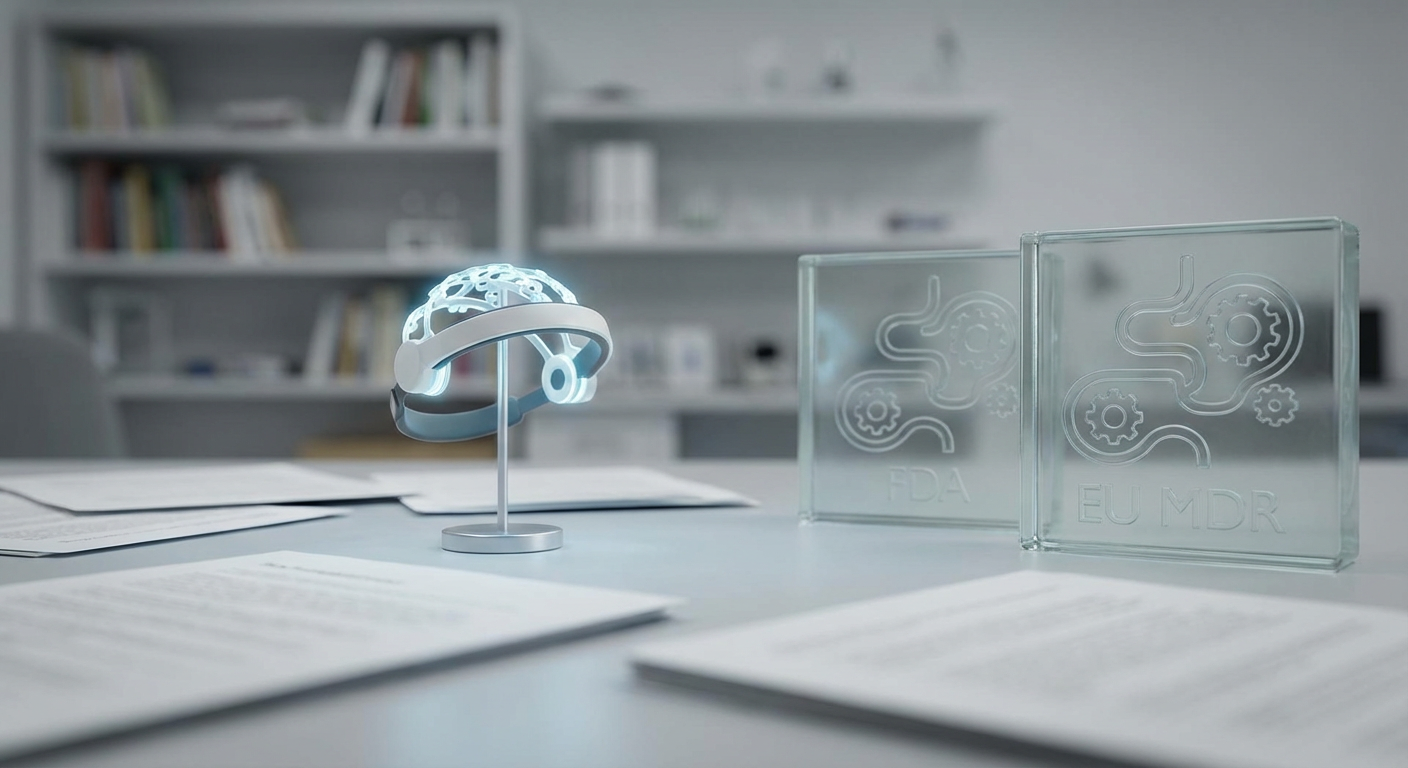
Regulatory pathways for brain-computer interfaces remain unclear across both FDA and European MDR frameworks. Existing medical device categories don’t accommodate technologies that interface directly with neural tissue. Brain interfaces blur traditional boundaries between medical devices, software, and even pharmaceutical interventions.
Safety standards for invasive neural devices require entirely new frameworks. Long-term biocompatibility studies must account for immune responses that may develop years after implantation. Software updates to implanted devices raise questions about informed consent and patient autonomy that have no precedent in medical regulation.
International regulatory divergence could fragment the global brain-computer interface market. Different approval requirements across jurisdictions may delay patient access to beneficial technologies. Companies face difficult decisions about where to conduct clinical trials and seek initial market approval.
Technological development often outpaces regulatory adaptation. IEEE Spectrum brain-computer interfaces coverage highlights this disconnect between innovation cycles and approval timelines. Patients with urgent medical needs cannot wait for perfect regulatory frameworks.
Second-Order Consequences
Brain-computer interfaces will reshape basic assumptions about human capability and disability. When paralyzed individuals control robotic limbs through thought alone, traditional concepts of physical limitation become obsolete. This transformation affects everything from workplace accommodation requirements to competitive sports classifications.
Economic implications ripple through healthcare systems and insurance frameworks. Successful brain interfaces could reduce long-term care costs for neurological patients while requiring substantial upfront investment. Actuarial models must account for technologies that can restore function decades after initial injury or disease onset.
Educational institutions face questions about cognitive enhancement fairness. If memory prosthetics improve recall by thirty percent, should enhanced students compete alongside unaugmented peers? These challenges mirror existing debates about performance-enhancing drugs in athletics, but with permanent neurological modifications.
Privacy concerns multiply when devices can access neural activity directly. Brain-computer interfaces potentially reveal thoughts, emotions, and memories that individuals never intended to share. Legal frameworks protecting mental privacy lag far behind technological capabilities for neural monitoring.
The convergence of multiple brain-computer interface approaches suggests an ecosystem rather than single products. Invasive devices may handle high-precision medical applications while non-invasive systems handle consumer markets. Hybrid approaches combining multiple interface types could maximize both safety and functionality.
Understanding these emerging technologies requires tracking both immediate clinical outcomes and broader societal adaptations. The science moves quickly, but real impact depends on how successfully these innovations integrate with existing human institutions and values. What questions about brain-computer interfaces matter most for your field or personal circumstances?