The Promise That Keeps Exploding
SpaceX’s Starship has become the poster child for ambitious failure. The massive vehicle has blown up multiple times during test flights, each explosion teaching engineers what doesn’t work. Yet the company keeps pushing toward operational orbital missions and commercial payload deployments. This cycle of destruction and iteration says something important about how we explore space today.
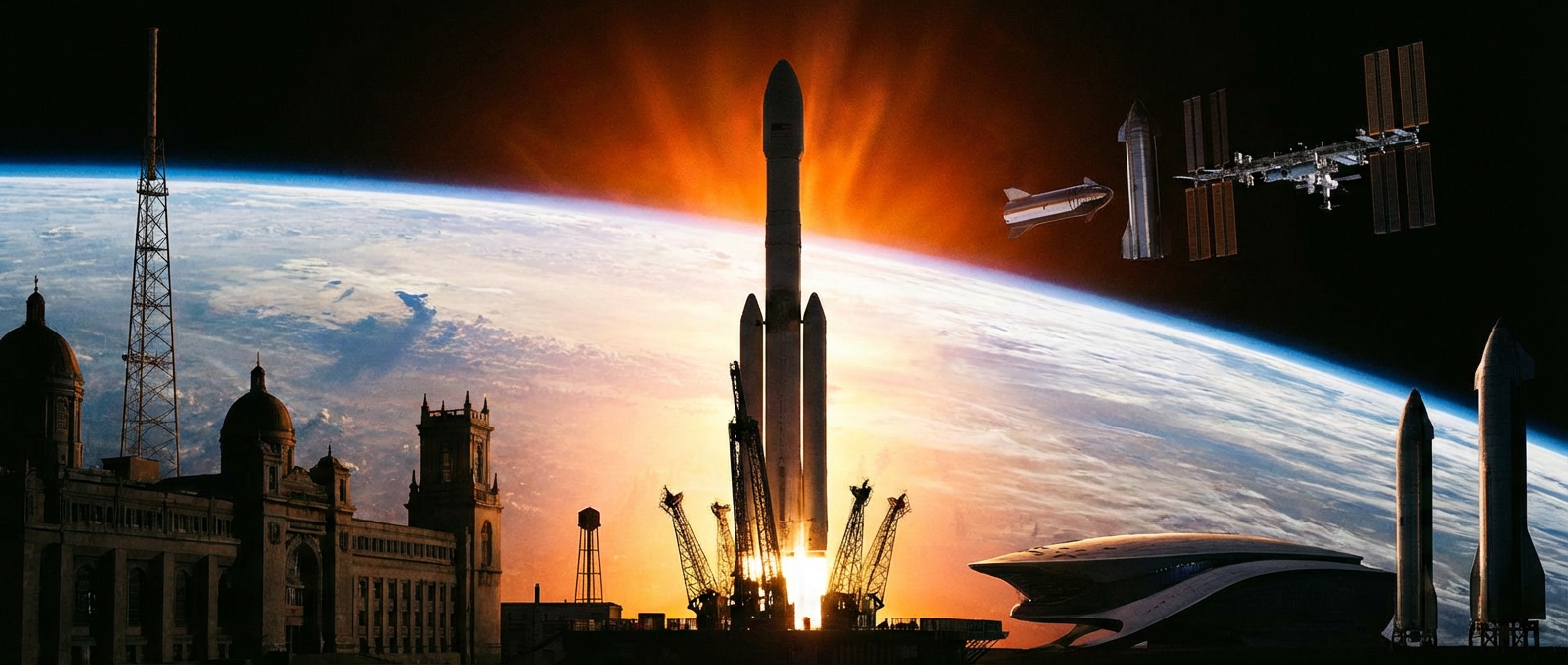
The traditional aerospace industry spent decades perfecting systems before flight. Commercial spaceflight works differently. Companies blow things up, learn quickly, and iterate faster than government programs ever could. This approach treats failure as a necessary step toward actual innovation.
Each Starship explosion gives them data worth millions in traditional testing. The wreckage tells stories that computer simulations can’t fully capture. Engineers tear apart every failure mode, refine their designs, and prep for the next test. This has compressed development timelines from decades to years.
Government Programs Embrace the Crash Course
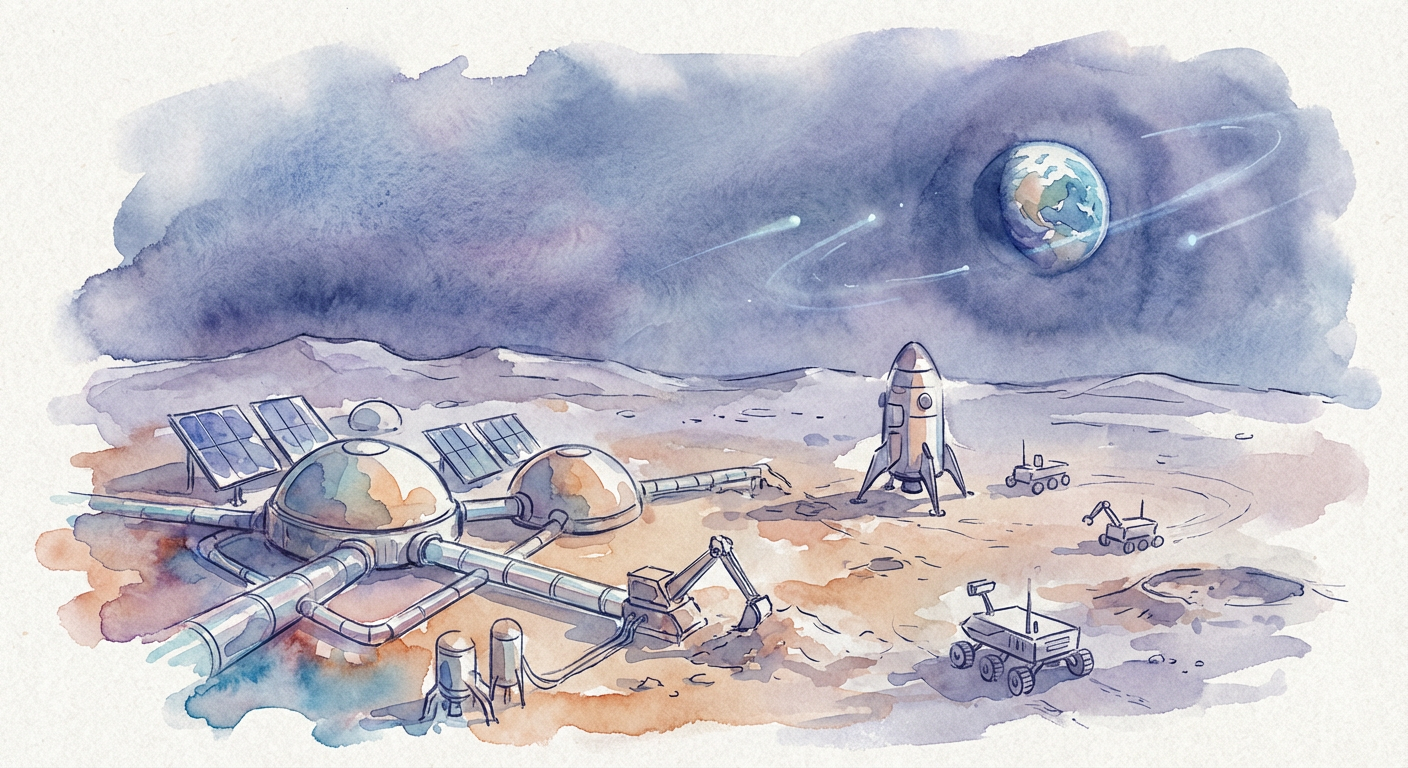
NASA’s Artemis program shows how government space initiatives now accept calculated risks. The agency wants crewed lunar landings between 2026 and 2027, even though they know multiple systems remain unproven. This timeline acceptance reflects a cultural shift within traditional aerospace.
Previous lunar programs demanded near-perfect reliability before human crews climbed aboard. Artemis works under different assumptions. The program includes commercial partnerships that bring Silicon Valley’s “fail fast” mentality into human spaceflight. This creates both opportunity and genuine danger.
The NASA news cycle now regularly covers delayed timelines and technical challenges. Rather than hiding these setbacks, the agency increasingly frames them as learning opportunities. This transparency is a huge departure from Apollo-era secrecy.
Commercial Space Stations: Building Tomorrow’s Failures Today
Axiom Space and Blue Origin have secured NASA contracts to develop commercial space stations. Both companies face enormous technical hurdles that will likely produce major failures before success. The International Space Station took decades to perfect, yet these firms promise operational facilities within years.
These commercial platforms must solve life support, orbital mechanics, and human factors challenges that have stumped engineers for generations. Early stations will probably suffer critical system failures. Some crew missions may require emergency evacuations. These outcomes shouldn’t surprise anyone familiar with space exploration history.
The difference is how companies and regulators now plan for failure scenarios. Commercial space station operators must demonstrate redundant safety systems and evacuation procedures. They’re building failure tolerance into their designs rather than hoping problems won’t occur.
This realistic approach recognizes that space remains unforgiving. No amount of ground testing fully replicates orbital conditions. Early commercial stations will be expensive learning laboratories where human crews test theoretical solutions against harsh reality.
Regulatory Frameworks Racing Against Innovation
International bodies struggle to create governance structures for activities that barely exist yet. The United Nations continues developing regulatory frameworks for asteroid mining operations that remain mostly theoretical. These efforts highlight the challenge of governing technologies still in experimental phases.
Space debris mitigation rules now require specific protocols for new satellite operators. These regulations emerged after decades of orbital pollution created cascading collision risks. The rules represent lessons learned from past failures to consider long-term consequences.
Regulators must balance innovation encouragement with safety requirements. Too many restrictions could stifle commercial development. Too few could enable disasters that set entire industries backward. This balancing act plays out in real-time as Space News industry coverage documents regulatory evolution alongside technological development.
The regulatory process itself involves considerable trial and error. Early rules often prove inadequate or overly restrictive. Agencies modify requirements based on operational experience, creating policy development that mirrors the engineering process.
Economic Projections Built on Optimistic Assumptions
Analysts project the lunar economy could reach $170 billion by 2040. These forecasts assume successful technology development, international cooperation, and sustained political support. History suggests at least some of these assumptions will prove wrong.
Previous space economic projections have consistently overestimated near-term growth while underestimating long-term potential. The satellite communications industry took much longer to develop than early forecasts suggested. Yet it eventually exceeded initial revenue projections by huge margins.
Lunar economic development faces unique challenges that Earth-orbit industries never encountered. Transportation costs remain prohibitive for most commercial activities. Resource extraction technologies exist only in laboratory settings. Market demand for space-manufactured goods remains largely theoretical.
These economic models matter despite their likely inaccuracy. They guide investment decisions and policy development. They also establish benchmarks against which actual development can be measured. When reality diverges from projections, the differences reveal assumptions that need revision.
Embracing the Learning Process
Commercial spaceflight’s rapid development creates unprecedented opportunities for systematic learning from failure. Each setback provides data that advances the entire industry’s understanding. This collaborative knowledge-building process is space exploration’s greatest current strength.
Treating failure as a learning tool has transformed how we approach space technology development. Engineers now design systems expecting component failures rather than hoping for perfect operation. This philosophical shift enables more aggressive innovation timelines.
Understanding these dynamics helps observers interpret space industry developments more accurately. Explosions, delays, and technical setbacks don’t necessarily indicate fundamental problems. They often represent the natural progression of pushing technological boundaries through systematic experimentation.